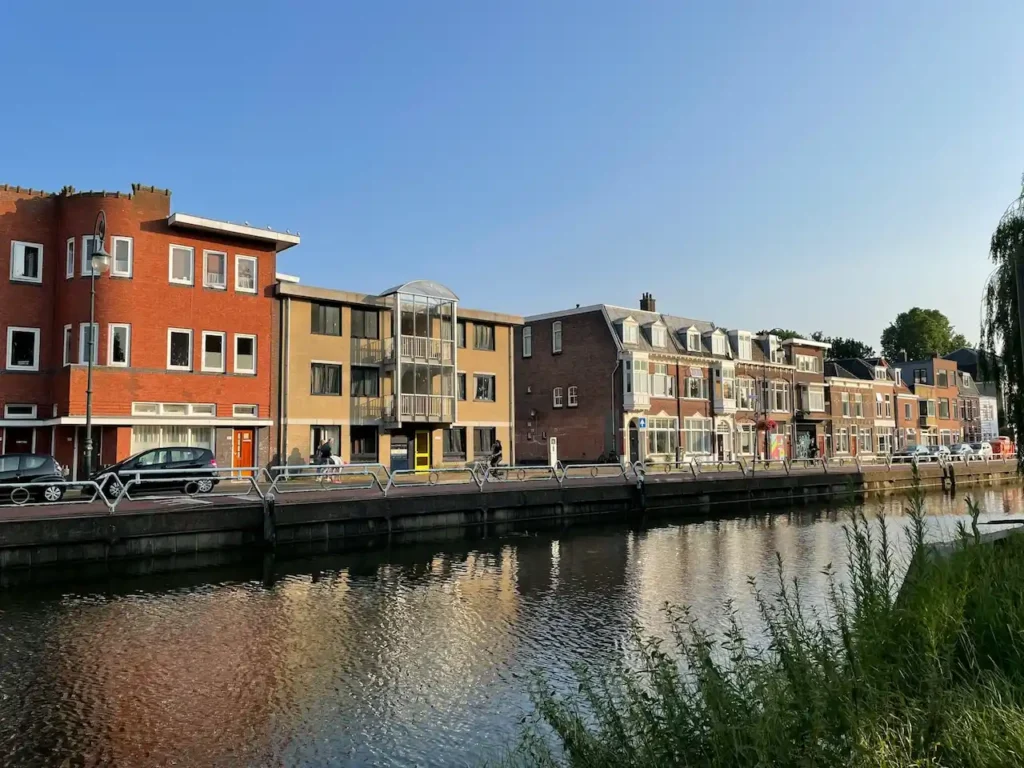
When people imagine Puglia’s coastline, they usually picture the sharp cliffs of the Adriatic side or the postcard-perfect coves near Otranto and Polignano. But the Ionian coast of Ugento tells a different story — one of long sandy beaches, low dunes, ancient watchtowers, and a rhythm of life that feels slower, quieter, and somehow more honest. Since moving here, we’ve spent countless afternoons exploring every stretch of this coastline, and we wanted to put together the guide we wish we’d had when we first arrived: an honest, detailed look at the beaches that make up Ugento’s marina, from Lido Marini to Torre San Giovanni, Torre Mozza, and Torre Suda.
Ugento’s coast is a true paradise, but to see it at its best, you must know how the sea reacts to local currents. Before you pack your beach bag, make sure to read our insider guide on [how to choose the best beach in Ugento based on the wind] to find perfectly flat water today.
This isn’t a list copied from a tourist brochure. It’s what we’ve learned by actually living here — where to go for sunset, where to go if you want silence, where the sand is soft and where it’s better to bring water shoes, and which lido feels right depending on the mood of the day.
Understanding Ugento’s Coastline
Before diving into each beach, it helps to understand the geography. Ugento itself is an inland town, one of the oldest in Salento, with roots going back to the Messapians. Its marina, however, stretches for several kilometers along the Ionian Sea, split into a handful of distinct beach areas that each have their own identity: Torre San Giovanni to the south, Lido Marini in the middle, and further along, Torre Mozza and Torre Suda, technically part of the neighboring municipality of Racale but so close and so connected to the Ugento coastal strip that most travelers experience them as one continuous coastline.
What ties them together is the landscape: golden or white sand, shallow turquoise water that stays warm well into September, low dunes covered in juniper and Mediterranean scrub, and here and there, the silhouette of a 16th-century coastal watchtower — a reminder that this coast was once a frontier, watched constantly for pirate raids from the sea.
Torre San Giovanni: The Heart of Ugento’s Marina
Torre San Giovanni is the main hub of Ugento’s coast, named after the watchtower that still stands at its center, one of the best-preserved along this stretch of the Ionian. It’s the liveliest of the beaches here, with a proper seafront promenade, restaurants, gelaterias, and a small marina where local fishing boats sit next to the occasional sailboat.
The beach itself is a mix of fine sand and small rocky outcrops, with the water turning from pale turquoise near the shore to a deeper blue further out. In summer, it fills with beach clubs (lidi, in the local sense of organized beach establishments) offering sunbeds and umbrellas, but there are also free stretches, especially toward the northern end near the dunes, where the crowd thins out and the atmosphere gets calmer.
What we love about Torre San Giovanni is the evening ritual: after a day at the beach, everyone gravitates toward the promenade for a walk before dinner, stopping for a granita or a plate of fried seafood at one of the small kiosks. It’s the kind of unpretentious seaside life that feels increasingly rare elsewhere.
Lido Marini: Wide Beaches and a Local Feel
Just a few kilometers north of Torre San Giovanni, Lido Marini has a completely different character. Where Torre San Giovanni feels like a small resort town, Lido Marini feels like a place that grew up around a handful of summer houses and never quite lost its residential, low-key soul.
The beach here is wide and sandy, one of the longest continuous stretches on this part of the coast, backed by dunes that in some spots are protected for their unique flora. The water is shallow for a long way out, which makes it an excellent choice for families with small children — you can walk quite far before it gets past your knees.
Lido Marini doesn’t try to impress. There are a handful of beach bars, a couple of good, unpretentious seafood restaurants, and long stretches of free beach where you can set up an umbrella without needing to book anything in advance. If Torre San Giovanni is where you go to see and be seen, Lido Marini is where you go to actually relax.
We often come here in the late afternoon, when the light turns golden and the wide beach empties out. It’s one of the best spots on this coast to watch the sunset without competing for space — the sun drops low over the water and the whole beach turns the color of warm bronze.
Torre Mozza: Small, Dramatic, and Full of Character
A little further north, technically within the territory of Racale but functionally part of the same coastal strip, Torre Mozza takes its name from a “cut” or truncated tower — a watchtower that was damaged over the centuries and now stands as a striking, weathered silhouette right at the water’s edge.
This beach is smaller and more intimate than Lido Marini or Torre San Giovanni, with a mix of sand and low rocky platforms that create small natural pools perfect for kids to explore, or for adults who prefer a quieter swim away from the open sea. The presence of the tower gives the whole area a dramatic, almost cinematic quality — especially at sunset, when its silhouette turns nearly black against an orange sky.
Torre Mozza has a handful of beach clubs, but the free beach areas here tend to be less crowded than the bigger lidos further south. It’s a favorite of ours for early morning swims, when the light is still soft and the tower catches the first sun of the day.
Torre Suda: Between Two Worlds
Continuing north, Torre Suda marks something of a transition point on the coast — still connected to the same string of beaches, but starting to feel like its own small seaside village, with a proper little harbor for fishing boats and a slightly different rhythm.
The beach at Torre Suda is a mix of sand and rock, with several small coves that create sheltered spots ideal for calmer swimming, especially useful on days when the wind picks up further south. The watchtower here, like the others along this coast, was built as part of the 16th-century Spanish defense system against Ottoman raids, and it still stands watch over the harbor.
What makes Torre Suda worth the drive is its more residential, less touristy feel. There are good, simple trattorias where you can eat freshly caught fish without the inflated prices of the busier beach towns, and the harbor itself, small as it is, has a genuine, working charm — nets drying in the sun, boats being repainted, fishermen sorting the morning’s catch.
Choosing the Right Lido for the Day
After living here for a while, we’ve developed a rough mental map of which beach suits which mood:
- Torre San Giovanni: best for a full beach day with amenities, restaurants, and evening atmosphere.
- Lido Marini: best for families, long walks on wide sand, and uncrowded sunsets.
- Torre Mozza: best for a quieter, more scenic swim, especially early morning or for photography.
- Torre Suda: best for a slower, more local experience, with good simple seafood and a working harbor feel.
None of these choices is “better” than the others — they simply serve different moods, and part of the pleasure of living here is learning to read the day and pick accordingly.
Practical Notes for Visitors
If you’re planning a trip to this stretch of coast, a few practical things are worth knowing. Parking near the more popular beaches, especially Torre San Giovanni and Lido Marini in peak August, can get busy by mid-morning, so arriving earlier or later in the day makes a real difference. Free beach areas (spiaggia libera) exist along all these beaches, usually at the edges of the organized lido sections, and locals tend to know exactly where the best unofficial spots are — often just a short walk from the main access points.
Water shoes are worth packing for Torre Mozza and Torre Suda, where rocky patches are more common, while Lido Marini and the sandier stretches of Torre San Giovanni are comfortable barefoot. And if you’re chasing sunsets specifically, both Lido Marini and Torre Mozza offer particularly unobstructed western views over the water.
Why This Coast Matters to Us
What draws us back to this stretch of coastline, again and again, isn’t any single dramatic view or famous landmark. It’s the accumulation of small details: the specific gold of the light at Lido Marini in late afternoon, the way Torre Mozza’s tower looks like something out of another century at dawn, the smell of grilled fish drifting from a small trattoria near Torre Suda’s harbor at dusk.
This is the Puglia we chose when we left Milan — not a single postcard image, but a whole coastline of different moods, each with its own beach, its own light, its own pace. Whether you’re here for a week or considering, like we did, staying much longer, we hope this guide helps you find the stretch of coast that feels like yours.
Planning your stay? Read our detailed guide on Where to Stay in Basso Salento to choose the best accommodation for your trip.

2 thoughts on “The Coast of Ugento: A Complete Guide to Its Beaches, From Lido Marini to Torre Suda”